Luxury Replicas: A Trap or Not?
Luxury Replicas: A Trap or Not?,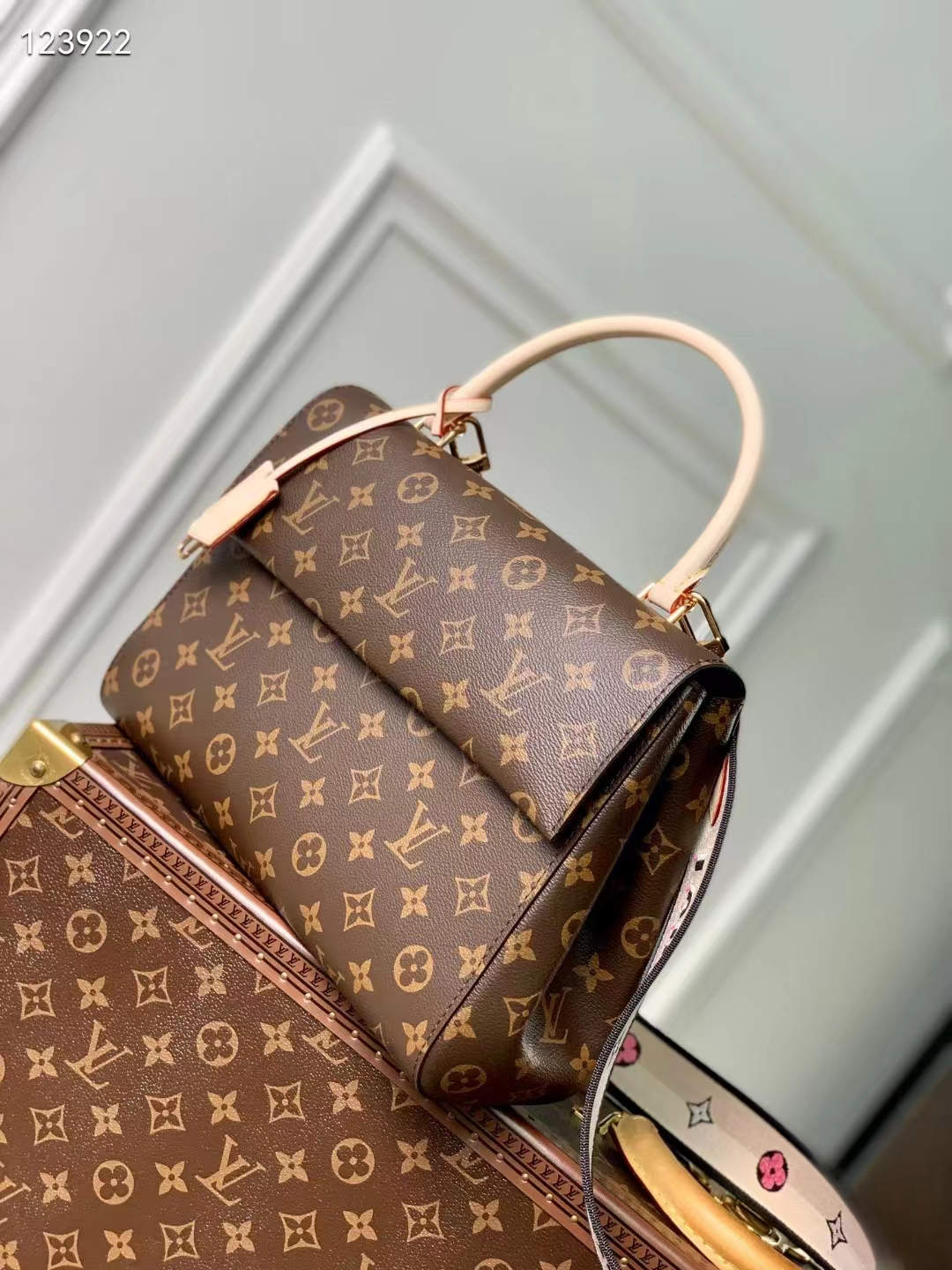
**Are Luxury Replicas a Trap?**
Introduction
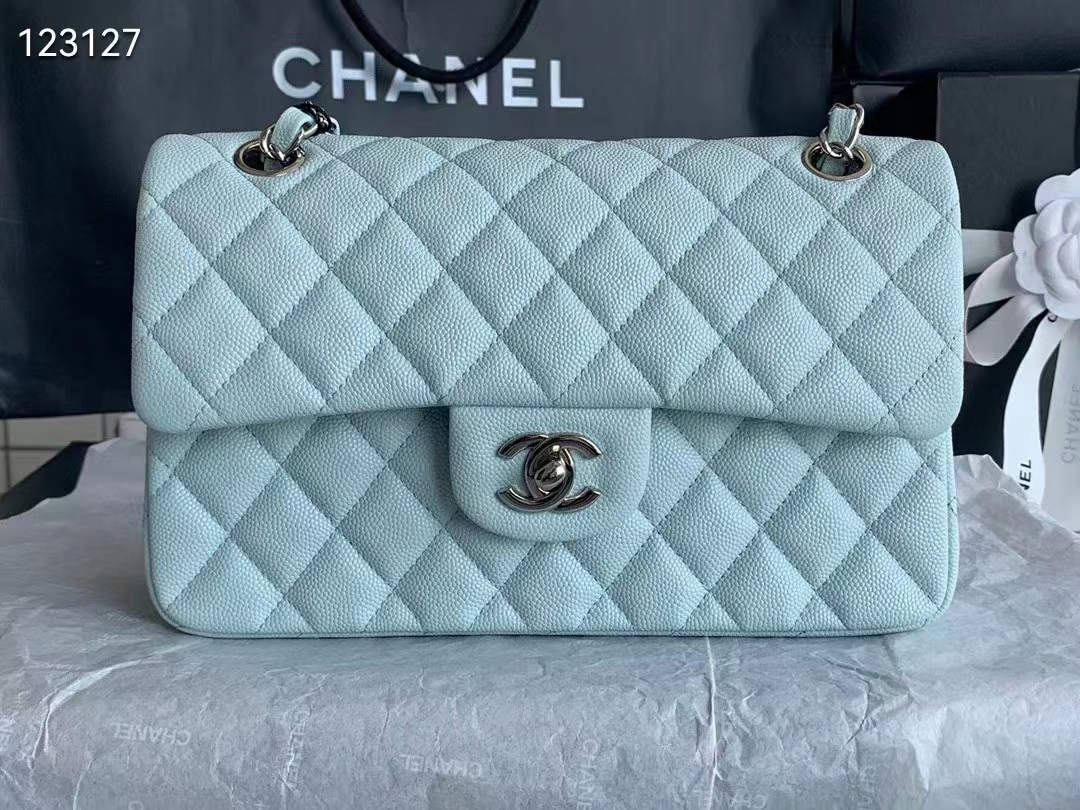
In the world of high-end fashion and luxury goods, the concept of "replicas" often arises as a controversial topic. These are essentially imitation products that aim to replicate the design and quality of original luxury items, but at a much lower price point. While the idea of obtaining high-end status symbols without paying full price is tempting, there are several aspects to consider when evaluating whether luxury replicas are indeed a pitfall.Firstly, it's important to acknowledge the difference between genuine luxury goods and their replicas. While replicas may closely resemble the originals in terms of appearance and some of the craftsmanship, they often lack the authenticity and quality that comes with genuine luxury brands. This becomes evident in the materials used, attention to detail, and overall durability.
Moreover, the ethics of buying replicas are often questioned. Supporting the idea of buying replicas can be seen as disrespectful to the original designers and manufacturers who put in immense effort and craftsmanship into creating their products. Furthermore, in some cases, buying replicas may even lead to legal issues, especially if the replicas closely resemble the original designs without proper authorization.
The Drawbacks of Luxury Replicas
One of the main pitfalls of buying luxury replicas is the risk of poor quality. While some replicas may offer a reasonable imitation at first glance, they often lack the durability and longevity of genuine luxury goods. This is because replica manufacturers often use inferior materials and manufacturing processes to cut costs. This results in products that may not hold up to regular wear and tear, or may even pose safety risks in some cases. Another issue with buying replicas is the difficulty in assessing their authenticity. In a market full of fakes, it's often challenging to distinguish genuine replicas from those that are blatant fakes. This can lead to consumers falling into the trap of buying inferior products that are far from the original standards set by luxury brands. Moreover, the pursuit of buying cheap replicas can sometimes lead people to compromise their values and ethics. The act of buying replicas can be seen as supporting unethical business practices, such as intellectual property infringement and exploitation of low-cost labor. This not only affects the original designers and manufacturers but also contributes to a market that promotes counterfeit goods.Conclusion
In conclusion, while the idea of owning luxury goods without paying full price is appealing, buying luxury replicas can be a complex and potentially risky decision. The lack of authenticity, poor quality, ethical considerations, and the challenges of assessing authenticity make replicas a potential pitfall. It's important to consider the long-term value and integrity of purchasing genuine luxury goods versus opting for cheap replicas that may not hold up in terms of quality or ethical standards.Moreover, supporting genuine luxury brands not only ensures quality and authenticity but also contributes to a market that respects craftsmanship, design, and innovation. In the long run, investing in genuine luxury goods is often seen as a more rewarding and worthwhile experience.