Is High-End Luxury Replica Production Illegal?
Is High-End Luxury Replica Production Illegal?,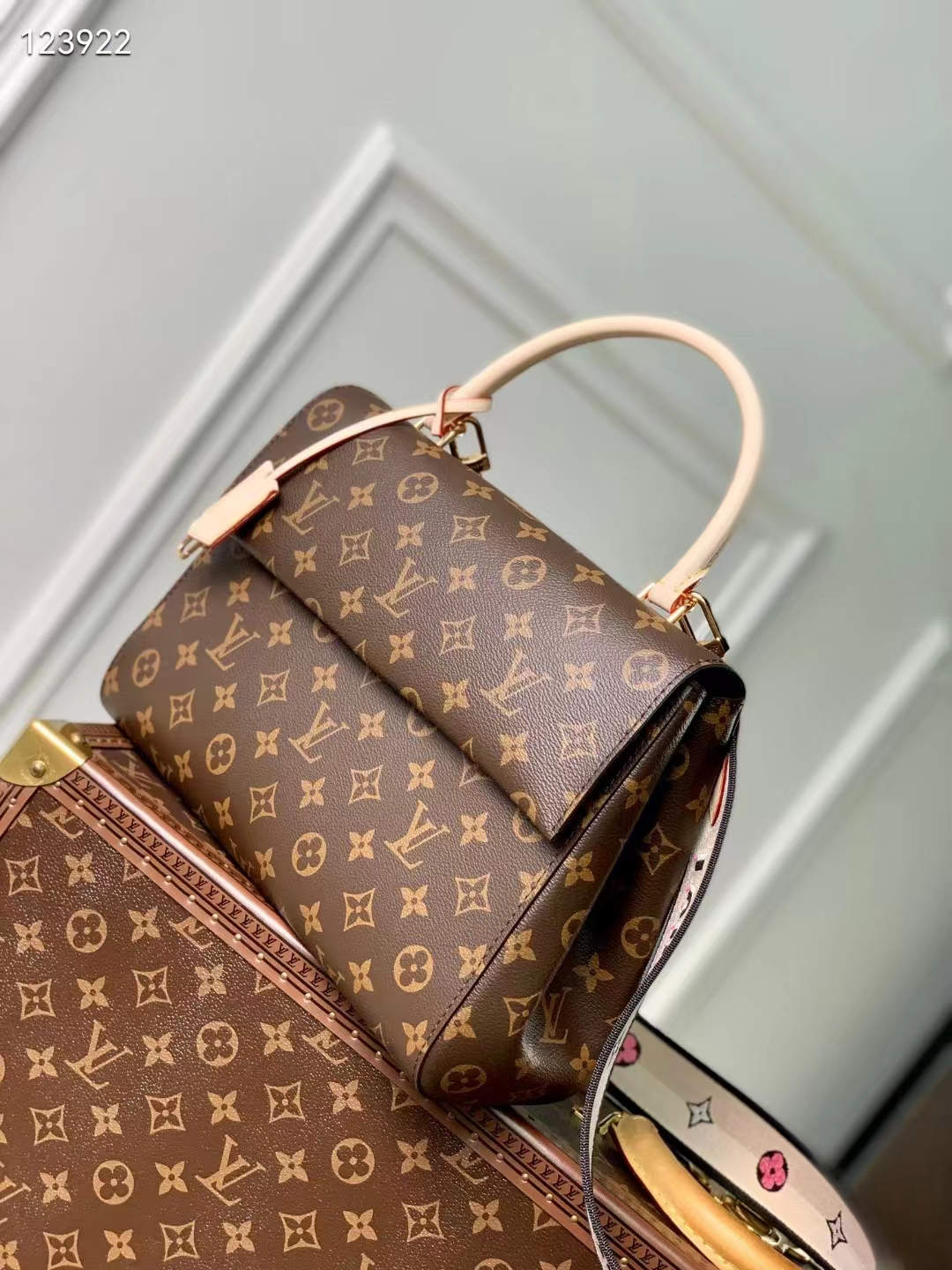
Luxury Goods Replication: Legal or Illegal?
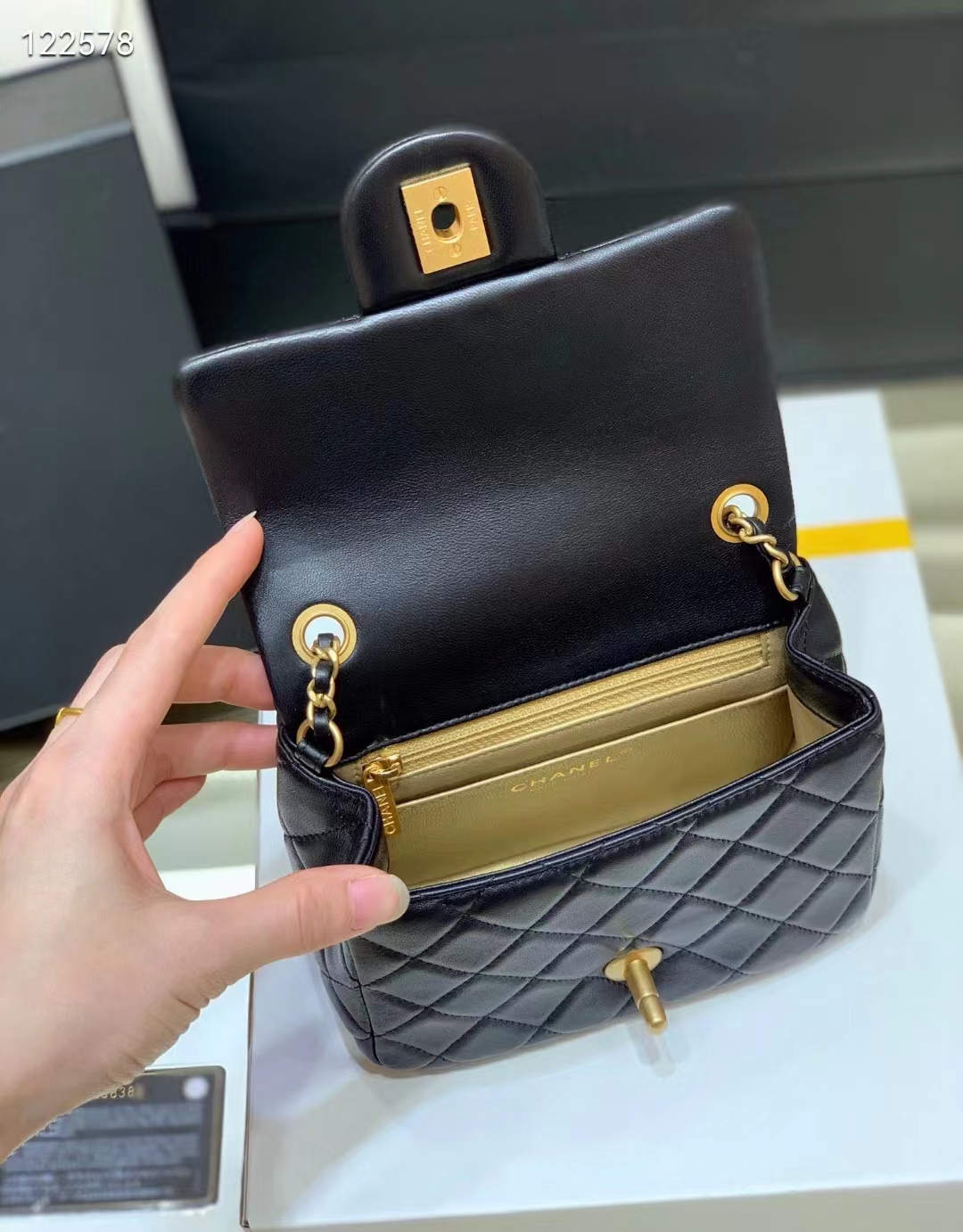
In the realm of high-end fashion and luxury goods, the issue of replication has become a complex and often controversial topic. High-end brands such as Gucci, Louis Vuitton, and Chanel are often targets of replicas that come at lower costs, providing a different option for those seeking their luxury items.
But the question stands: Is the replication of high luxury goods legal? The answer is not straightforward and depends on several factors.
Intellectual Property Rights and Legal Considerations
From a legal standpoint, the creation and distribution of replica luxury goods can sometimes violate intellectual property rights (IPRs) held by the original brand owners. Luxury brands hold exclusive rights to their designs, trademarks, and logos. These rights are granted by law and are meant to protect the original manufacturer from any unauthorized imitation.
Copying designs without the consent of the brand owners or without respecting the patents or trademarks may be considered illegal. Such actions could result in legal action taken by the original brand and might even involve criminal liability.
The Fine Line between Reproduction and Copying
However, it is important to note that not all replica products are illegal. The legal landscape becomes complex when considering the fine line between reproduction and copying. In some instances, replica makers may source inspiration from original designs but make substantial changes to create a new product.
Such products are often considered legal if they do not directly infringe on the intellectual property rights of the original brand. The key lies in determining whether the replica is a genuine imitation or has enough originality to stand apart from the original design.
Consumer Protection and Quality Issues
Moreover, even if a replica is legally produced, there are concerns about consumer protection and quality issues. Many replica products may not adhere to the same quality standards as the original items. This can pose risks for consumers who may not be aware of the differences in quality.
The lack of proper quality control in replica production can also lead to potential safety hazards. Therefore, even if replication is legal in some instances, it is crucial for consumers to be aware of the risks involved when purchasing such products.
Conclusion
In conclusion, whether high-luxury goods replication is legal or not depends on various factors such as intellectual property rights, originality of design, and quality control measures. Consumers should exercise caution when purchasing replica products and be aware of the potential risks involved.