Is Selling Luxury A-Grade Goods in China a Crime?
Is Selling Luxury A-Grade Goods in China a Crime?,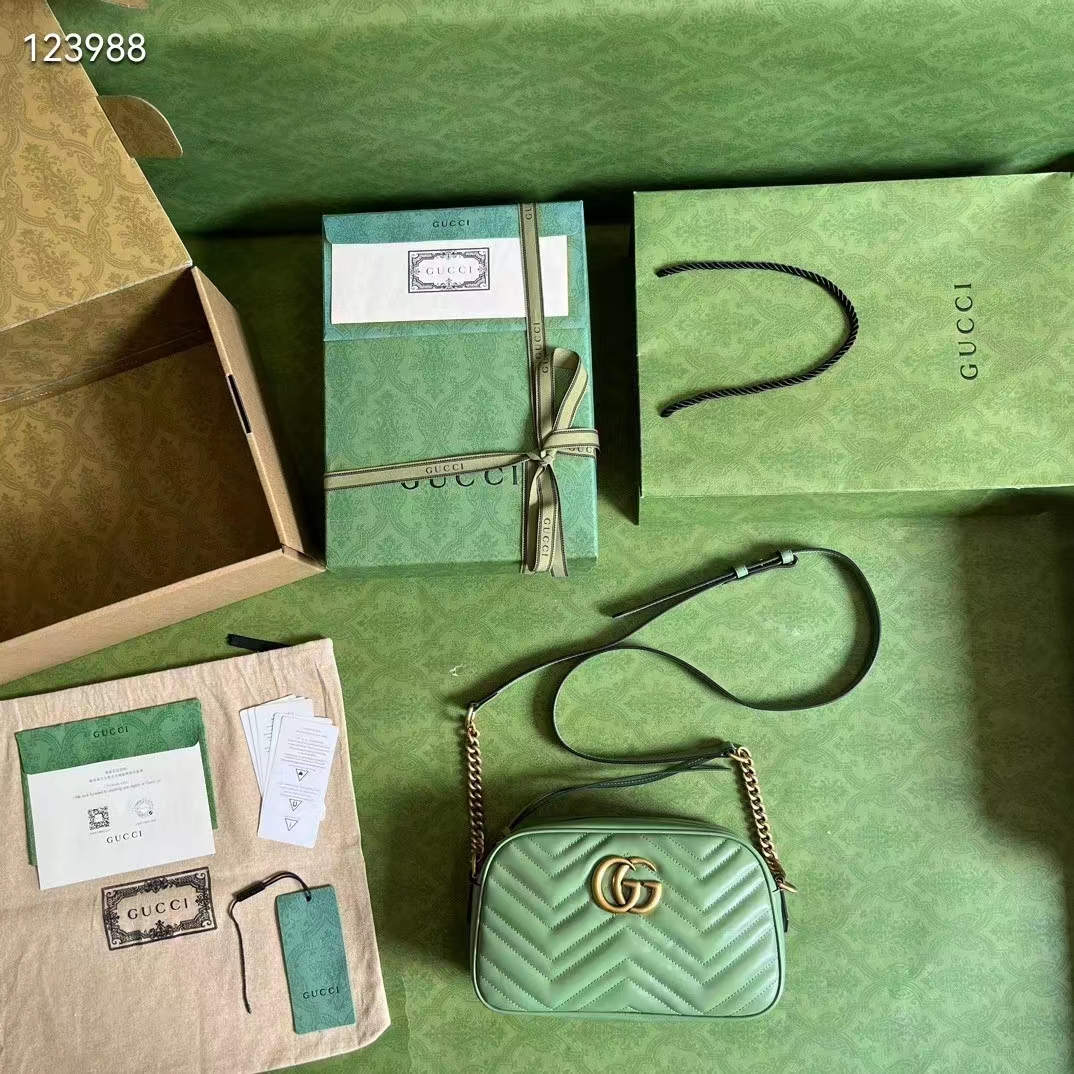
Luxury Goods A-Replicas as Crime in China
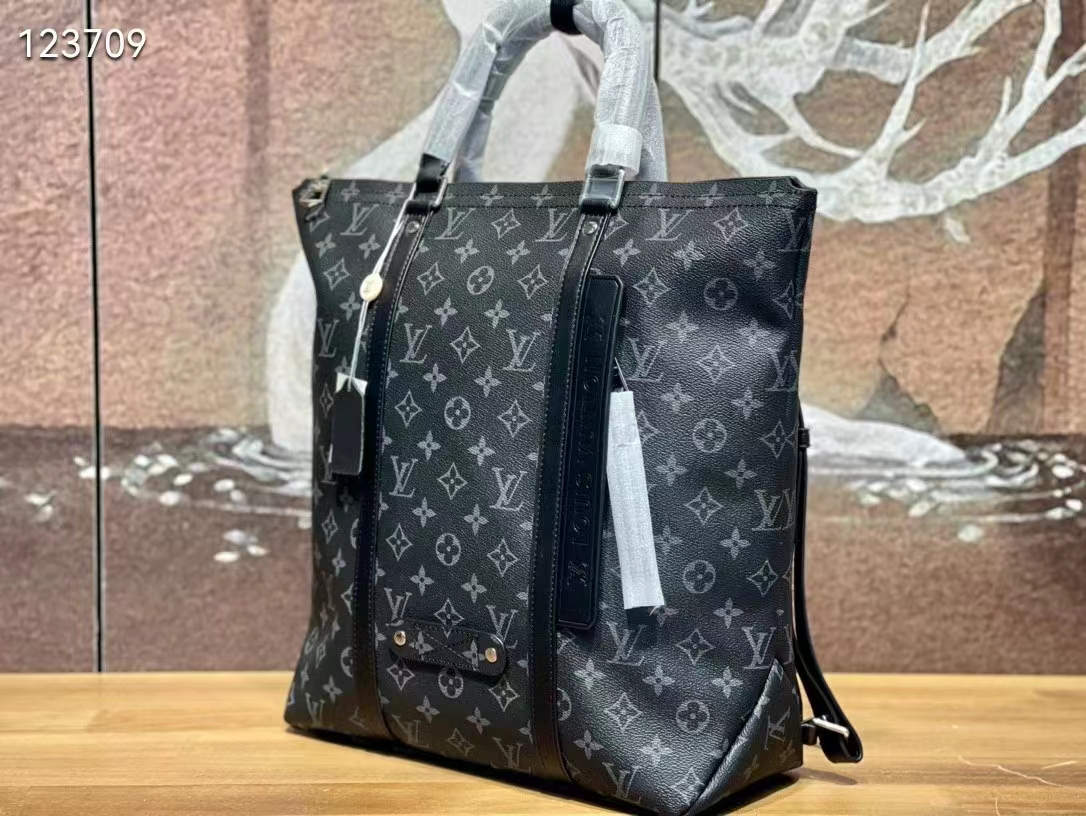
In China, the sale of luxury goods A-replicas, also known as counterfeit luxury goods, has become a controversial topic. With the rise of the affluent class and the popularity of luxury brands, the demand for luxury goods has soared. However, selling A-replicas of these luxury items is a complex issue that touches on legal, ethical, and consumer rights.
The sale of luxury A-replicas in China is a criminal act. These goods violate the copyright and trademark rights of the original brand owners. By producing and distributing unauthorized replicas, the sellers are engaging in illegal activities that are subject to legal sanctions. The Chinese government has strict laws against intellectual property infringement and has been actively cracking down on such criminal activities.
Legal Perspective:
In China, selling counterfeit goods is a violation of intellectual property laws. The country’s legal system protects the copyright and trademark rights of brand owners. Those who engage in the production and distribution of A-replicas face legal consequences ranging from fines to imprisonment. In addition, these activities also violate consumer rights as they deceive customers into purchasing fake products.
Moreover, selling A-replicas also undermines the original brand’s reputation and goodwill. It affects the brand’s image, quality standards, and customer trust. Luxury brands invest heavily in research and development to create unique designs and offer high-quality products. Selling A-replicas is an unfair practice that jeopardizes these investments and harms the brand’s reputation.
Social and Ethical Considerations:
Beyond the legal implications, selling A-replicas also raises social and ethical concerns. It promotes the idea of buying fake products instead of genuine ones, encouraging consumers to compromise on quality and standards. This behavior undermines the principle of honesty and trust, leading to a culture of counterfeit goods.
Moreover, the sale of A-replicas often targets affluent consumers who are willing to pay high prices for luxury goods. These consumers may end up buying fakes due to lack of knowledge or temptation, feeling deceived and disrespected when they realize they have purchased replicas.
In conclusion, selling luxury A-replicas in China is a criminal act that not only violates legal regulations but also poses social and ethical challenges. It undermines intellectual property rights, affects brand reputation, and promotes a culture of counterfeit goods. Therefore, it is crucial for both sellers and consumers to be aware of the legal consequences and ethical implications of engaging in such activities.