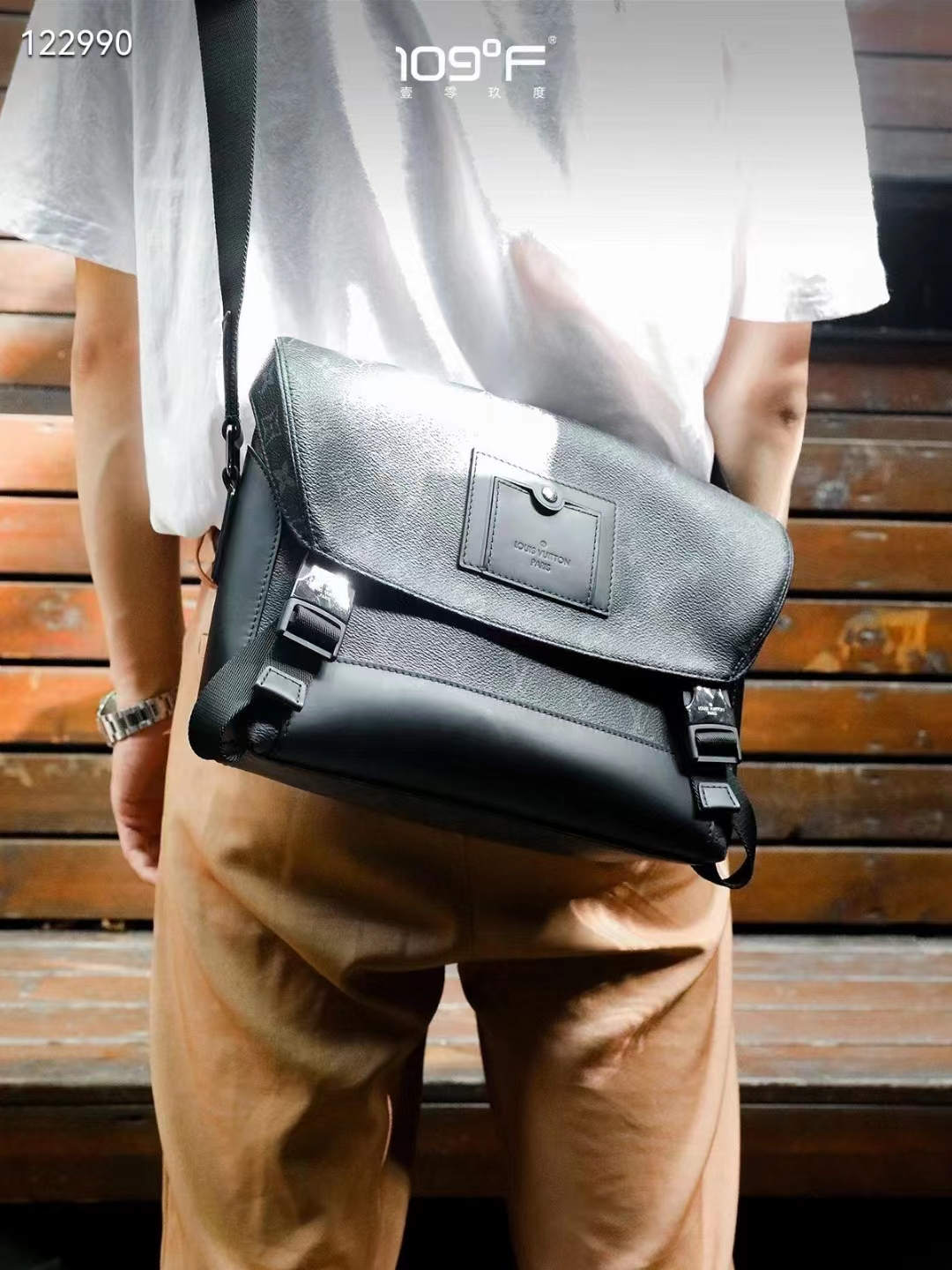

Is Buying and Selling Overseas Luxury A-Goods Illegal?
Is Buying and Selling Overseas Luxury A-Goods Illegal?,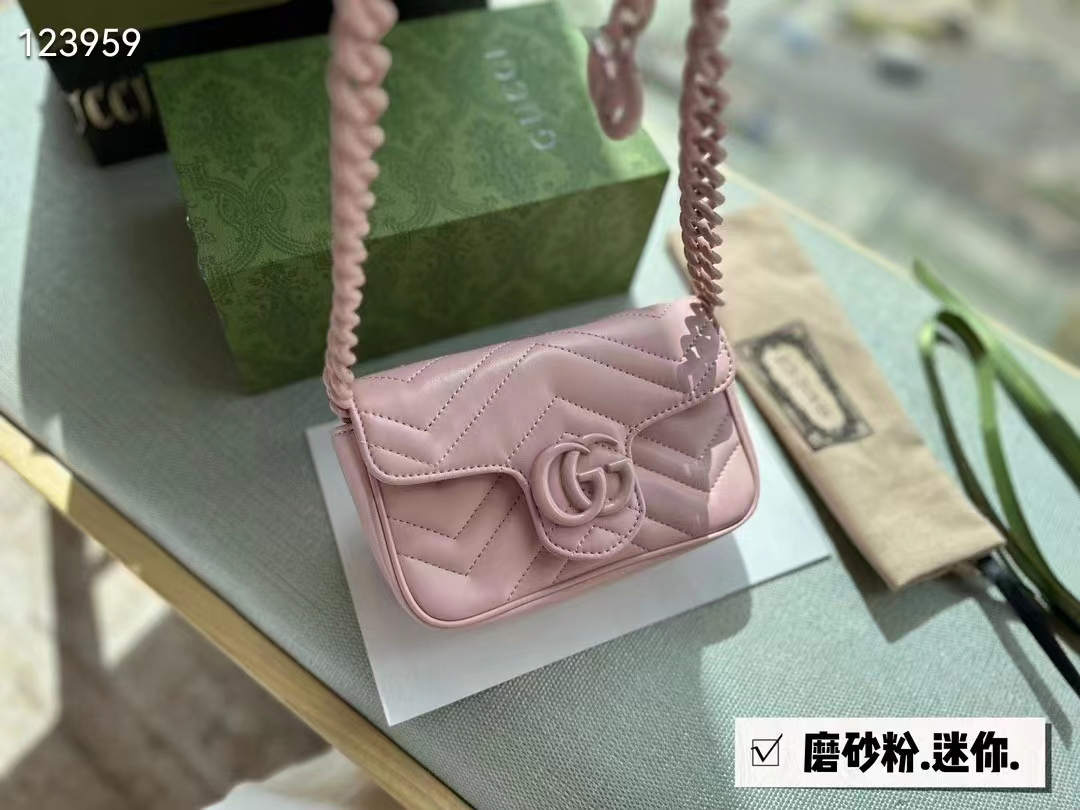
Luxury Goods A-Grade Copycats: Is It Legal or Illegal?
In the global marketplace, the issue of counterfeit goods has become increasingly prevalent, especially with the rise of the digital age and online retail. This is especially true for luxury goods, often referred to as "A-grade copies" or "replicas." While the buying and selling of these items may offer some economic benefits, their legality remains a subject of intense debate and scrutiny.
The Legal Perspective:
From a legal standpoint, the sale of counterfeit luxury goods, often labeled as "A-grade" or high-quality replicas, is typically illegal. These products are often manufactured without proper authorization from the original brand owners and may infringe on intellectual property rights, trademarks, and copyrights. In many countries, such actions are subject to legal sanctions and may result in criminal liability for both sellers and buyers.
Moreover, buying A-grade copies can also have negative implications for legitimate businesses and consumers. The influx of such goods in the market can undermine the reputation of genuine luxury brands, affecting their market value and eroding their competitive edge. Furthermore, these replicas may not meet safety standards or quality assurance measures, potentially posing risks to consumers.
The Ethical Considerations:
Beyond the legal implications, there are also ethical considerations to ponder when it comes to purchasing A-grade copies of luxury goods. The practice often involves bypassing the original brand's production processes and bypassing legitimate channels of distribution. This not only undermines the efforts of legitimate businesses but also potentially affects the livelihoods of workers in the original supply chain.
Moreover, the sale of counterfeit goods often occurs in an environment of unfair competition, where those selling replicas may use unethical business practices to attract customers, such as misleading advertising or poor quality control. This can damage consumer trust in both legitimate and illegal businesses, affecting market integrity.
Conclusion:
In conclusion, the sale and purchase of A-grade copies of luxury goods are not only legally problematic but also raise ethical concerns. While there may be economic benefits in some cases, the potential risks to legitimate businesses, consumers, and even workers in the supply chain make it imperative to exercise caution and avoid such transactions. Moreover, as global consumers, it is our responsibility to support genuine brands and encourage fair trade practices that benefit all parties involved.