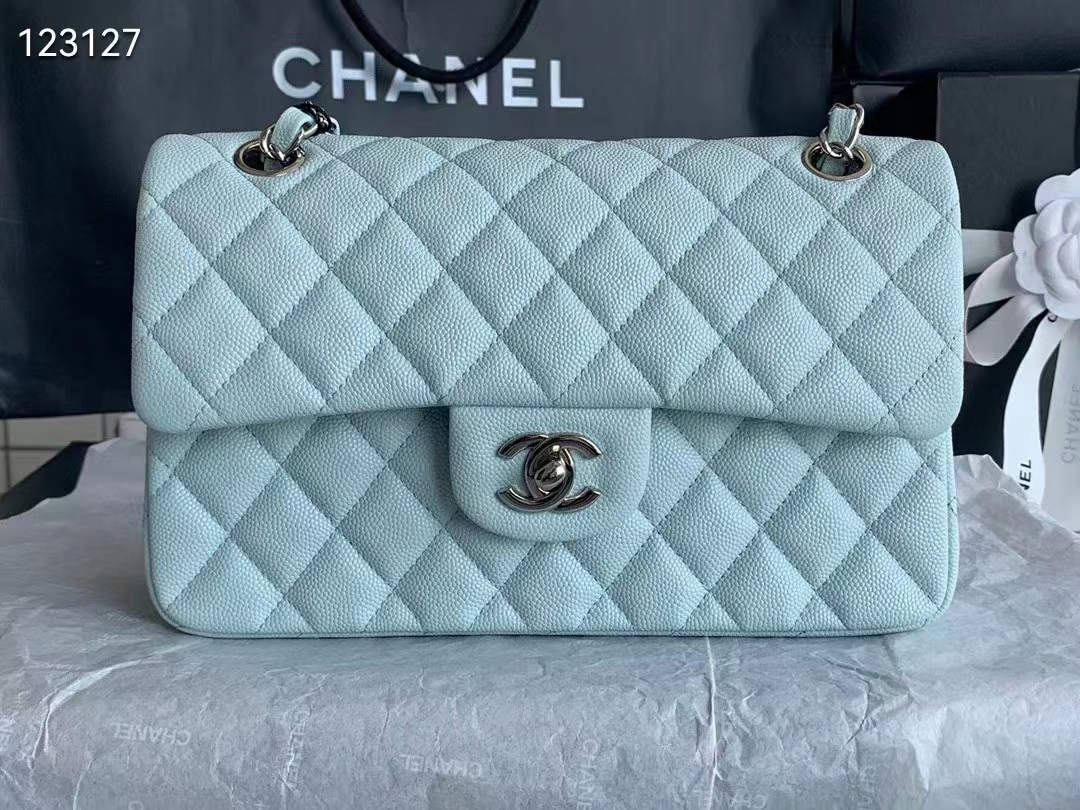

Is Selling Luxury A-Goods by Salesmen Illegal?
Is Selling Luxury A-Goods by Salesmen Illegal?,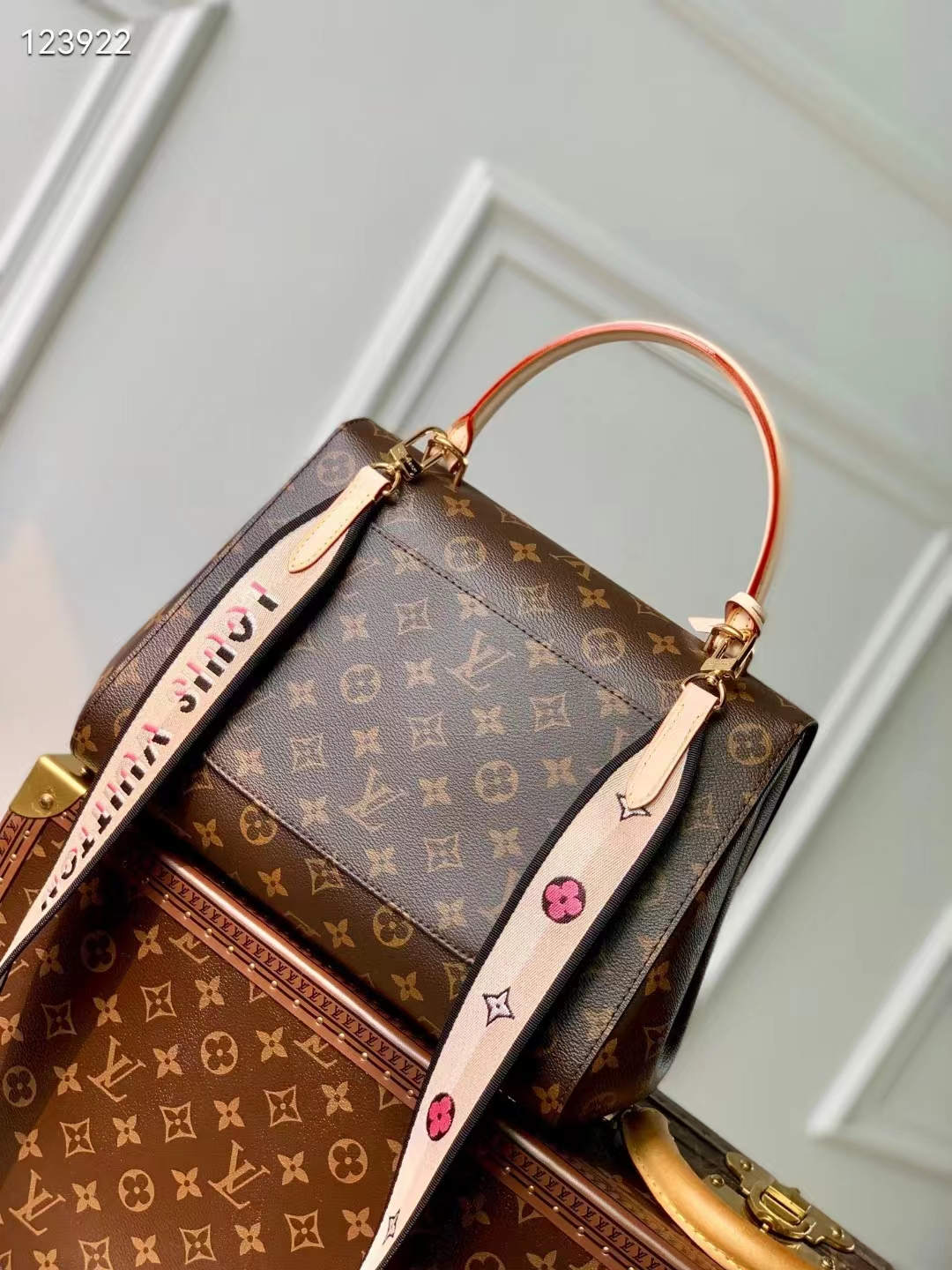
Luxury Goods "A-Goods" Salesmen and Legal Dilemmas
In the global trade of luxury goods, the concept of "A-goods" has become increasingly prevalent. A-goods, often referred to as high-quality replicas, are often meticulously crafted and designed to imitate the appearance of genuine luxury products. While some may argue that these products offer a lower-cost alternative to the genuine article, their legality remains a subject of debate.
The sale of A-goods by salesmen can be considered illegal in many jurisdictions. Luxury brands typically hold exclusive trademarks and intellectual property rights, which are protected by law. Selling replicas that imitate these brands without authorization is a violation of trademark law and may lead to legal consequences.
Legal Perspectives on A-Goods Sales
Firstly, the sale of A-goods by salesmen involves selling counterfeit goods, which is illegal in most countries. These salesmen are essentially participating in the distribution of goods that are not authorized by the original brand owner. This practice not only infringes on the trademark owner's intellectual property rights but also harms the reputation and financial interests of legitimate businesses.
Secondly, from a consumer protection perspective, buying A-goods can also be risky. Many of these products are not produced under strict quality control measures and may not meet safety standards. This poses a potential threat to consumers who may be unaware of the true quality or origin of these products.
Moreover, the sale of A-goods may involve other legal issues such as tax evasion and fraudulent advertising. As these sales are often conducted in a highly concealed manner, it becomes difficult to track and collect taxes on these transactions, leading to tax evasion.
To combat this illegal practice, authorities need to enforce strict laws against the sale of counterfeit goods. Salesmen found selling A-goods should face legal sanctions to deter others from engaging in similar activities. Consumers should also be educated about the risks associated with buying such products and encouraged to support genuine brands.
Conclusion
In conclusion, the sale of luxury goods A-goods by salesmen is illegal in most jurisdictions and poses various legal and consumer protection issues. The sale of counterfeit goods not only infringes on intellectual property rights but also harms legitimate businesses and consumers. It is imperative for authorities to enforce strict laws and for consumers to be aware of the risks involved in buying such products.