
Luxury A-Grade Goods Sold by Micro-Sellers: The Insider Story of WeChat Business Trends
Luxury A-Grade Goods Sold by Micro-Sellers: The Insider Story of WeChat Business Trends,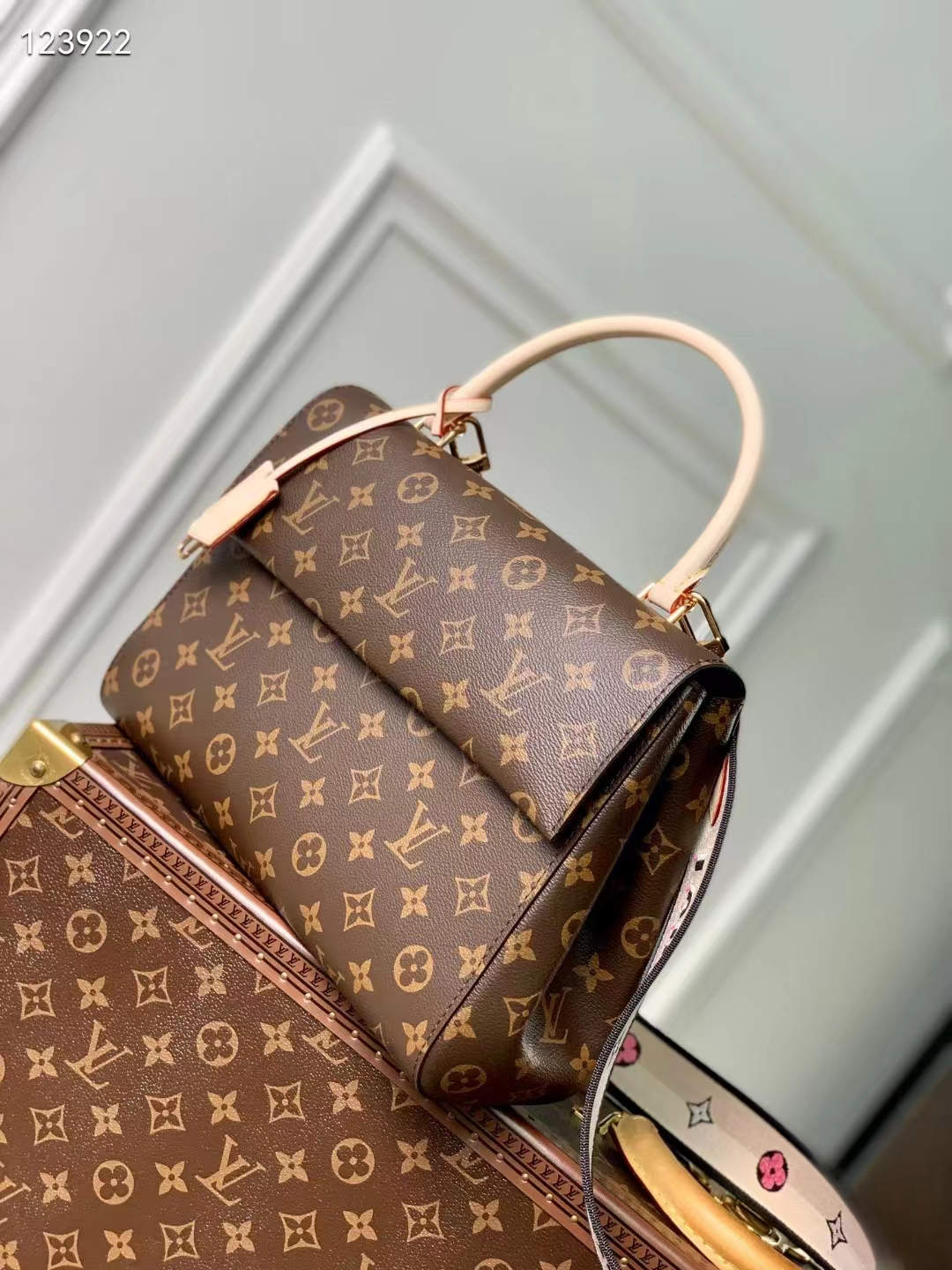
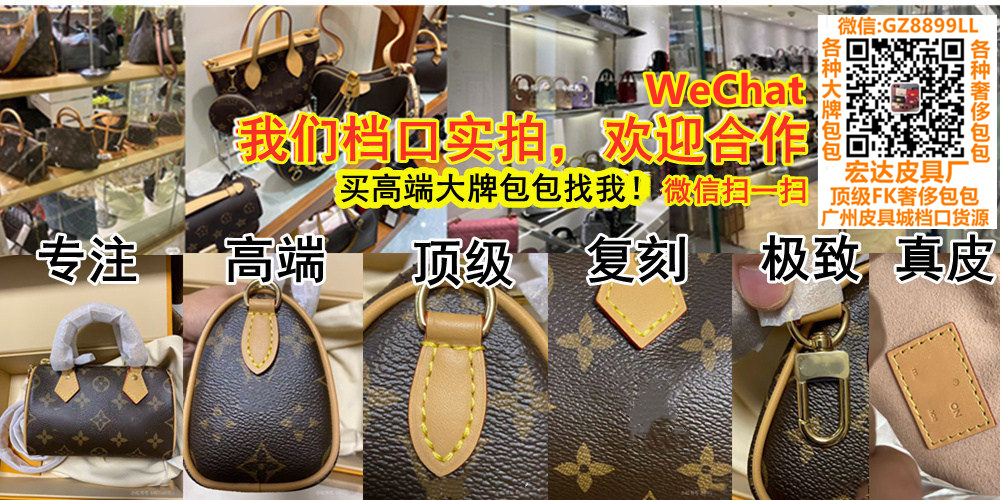
Micro-commerce Selling Fake Luxury Goods in Today’s Marketplace
In today's fast-paced online world, micro-commerce has become an integral part of many people's daily lives. From handbags to high-end jewelry, a new trend has emerged in the micro-commerce industry where sellers offer counterfeit luxury goods, often labeled as "A-grade replicas" or "luxury inspired." This practice has sparked controversy and poses significant challenges to both consumers and legitimate businesses.The Rise of A-Grade Luxury Replicas in Micro-commerce
Micro-commerce, utilizing social media platforms such as WeChat or Moments to sell products directly to consumers, has become a convenient way for people to buy and sell items. Among these products, an alarming number of counterfeit luxury goods are being sold as high-quality replicas. These "A-grade" goods are often meticulously crafted with convincing details that can easily fool untrained eyes.With the booming luxury goods market and the easy accessibility of social media platforms, many micro-commerce sellers see an opportunity to profit from the sale of these fake luxury items. They advertise their products as affordable alternatives to the real thing, attracting consumers looking for a cheaper option without compromising on quality or style.
However, this practice not only poses a challenge to genuine luxury brands but also poses risks for the consumers who purchase these products. The quality of these replicas may not be up to the standards set by the original brand, leading to dissatisfaction and potential health risks if the materials used are harmful.
The Impact on Consumers and Legitimate Businesses
The rise of micro-commerce selling fake luxury goods has caused significant harm to both consumers and legitimate businesses. Consumers may end up purchasing products that are not as described or of inferior quality, leading to disappointment and loss of money. Moreover, they may be unaware of the potential health risks associated with wearing such products.For legitimate businesses, the presence of counterfeit goods in the market erodes trust and disrupts brand reputation. It can also affect sales as consumers opt for cheaper alternatives instead of genuine products. Furthermore, it can lead to legal complications and intellectual property infringements.
Conclusion
The sale of fake luxury goods in micro-commerce is a pressing issue that requires attention from all stakeholders. Consumers need to be more vigilant when purchasing products online, particularly when it comes to luxury goods. At the same time, micro-commerce sellers should be held accountable for selling counterfeit goods and platforms should take proactive measures to combat such practices.Moreover, legitimate businesses should strengthen their brand protection strategies and work with law enforcement agencies to combat the sale of counterfeit goods in micro-commerce. It is only through collaboration and awareness that we can ensure a safe and trustworthy micro-commerce environment.